Teachers Pay Teachers / Easel
User Research
Wireframes
Prototyping
A/B Testing
Usability Testing
Analytics
Teachers are stretched thin. As classrooms shifted towards digital, the workflow didn’t shift with them. Assignments moved online — but grading still felt manual, time-consuming, and fragmented. It was far from being as simple as running a Scantron through a machine.
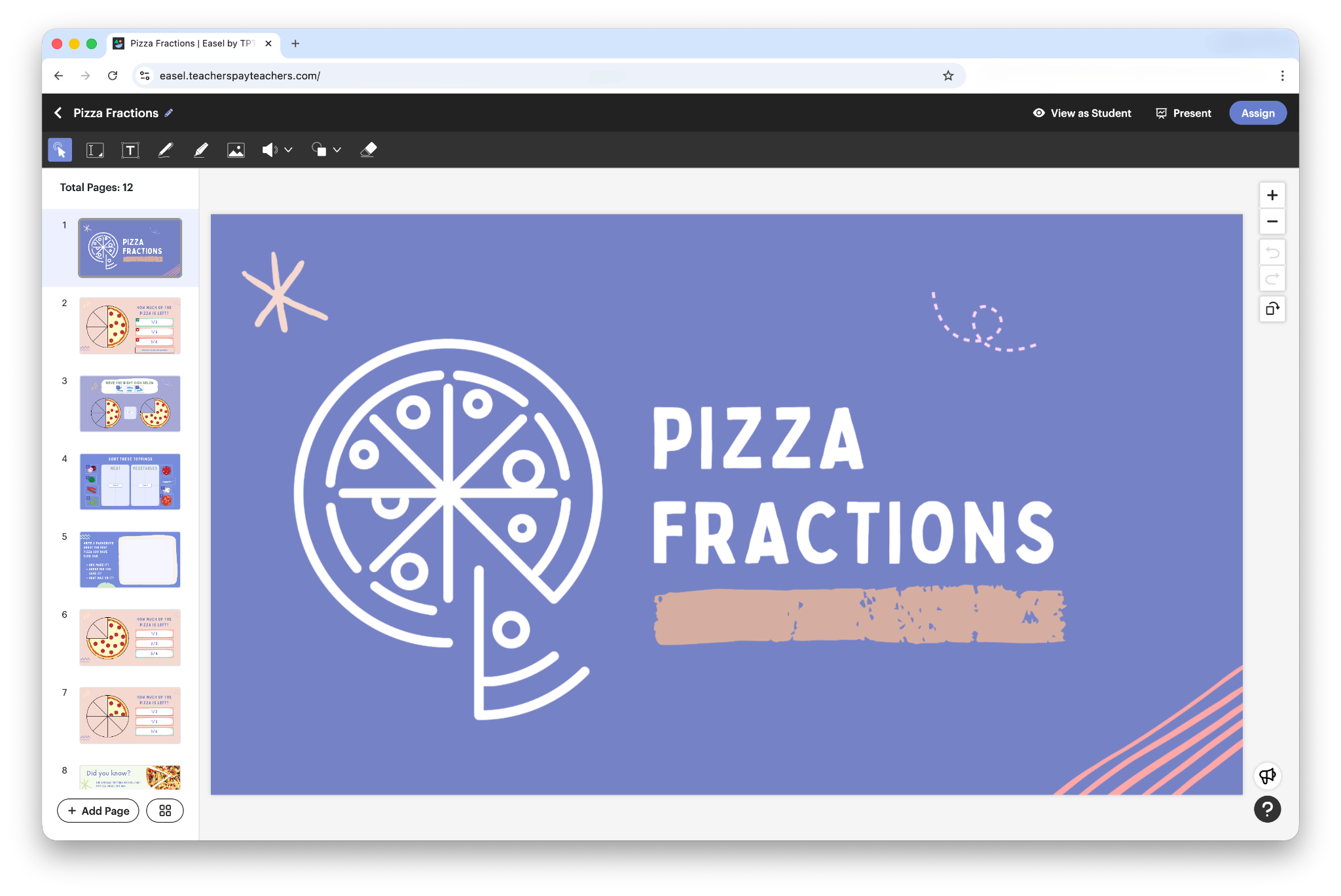
Our goal was to close that gap. Think of Easel as Google Slides for the classroom — but with the ability to automatically check student responses and surface meaningful insights for teachers. Instead of spending hours evaluating work, teachers could quickly see where students were struggling and focus their time where it mattered most.
OVERVIEW
Role: Designer
Timeline: 1 year
Team: 1 Product Manager, 4 Developers
Scope: Grading & Reporting
PROBLEM
Teachers Pay Teachers (TPT) is a marketplace where teachers create and sell classroom assignments and activities. As classrooms moved online, many of these resources were shifting from printable worksheets to digital activities.
To support this shift, TPT launched Easel, a platform for teachers to create and deliver those activities directly.
When I joined, Easel was less than a year old and adoption was low. Teachers didn’t see enough value to move away from what they were already using to this new platform.
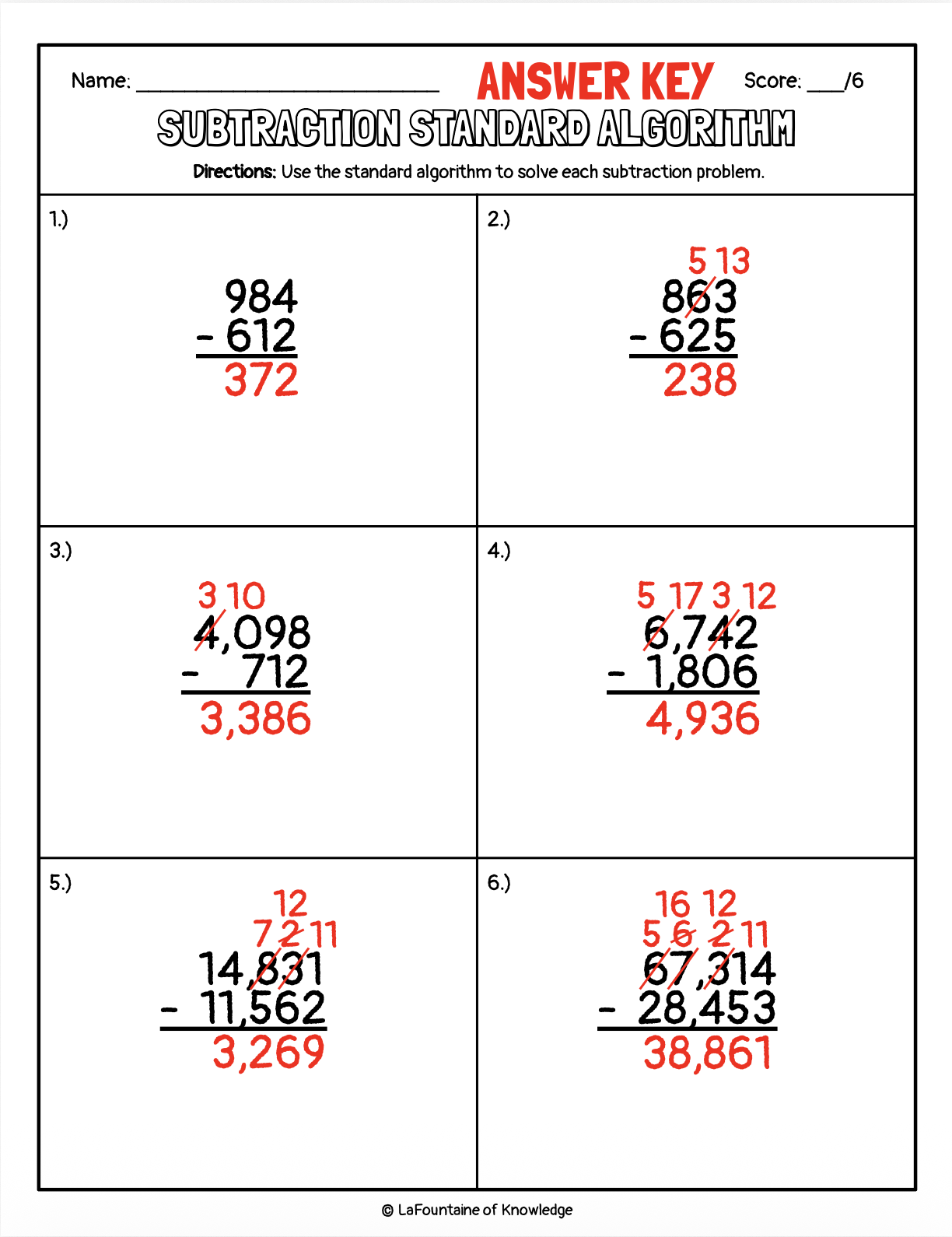
TPT’s answer to that was grading. The team had begun laying the groundwork for a simple grading system — identifying whether an answer was correct or incorrect.
My role was to expand that foundation into a more complete grading experience that was accessible, easy for teachers to use, and aligned with the requirements set by school districts and state standards.
But the challenge wasn’t just adding grading — it was proving value.
PROCESS
Before designing new grading features, I looked at what teachers were already creating on TPT and how grading fit into their workflow.
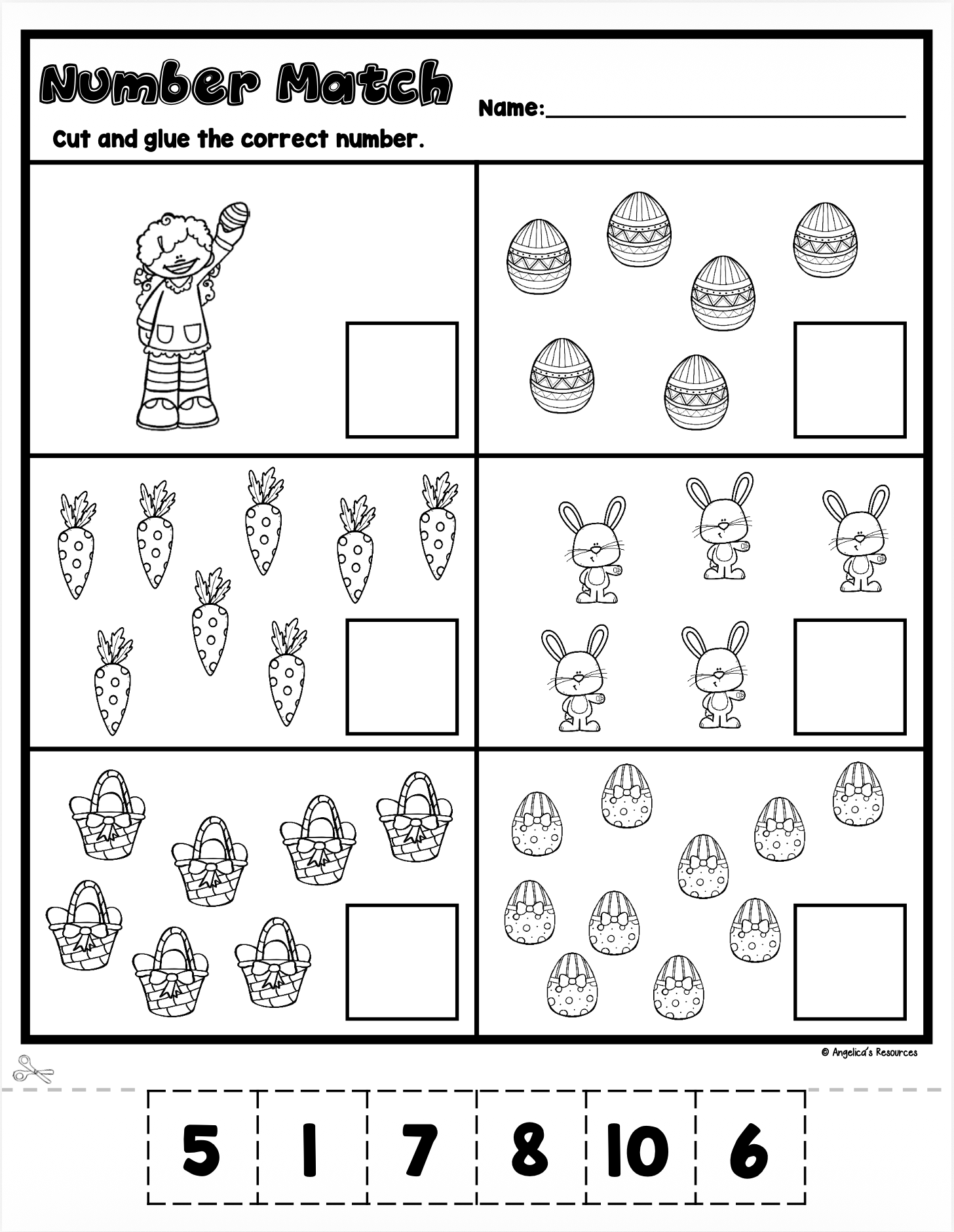
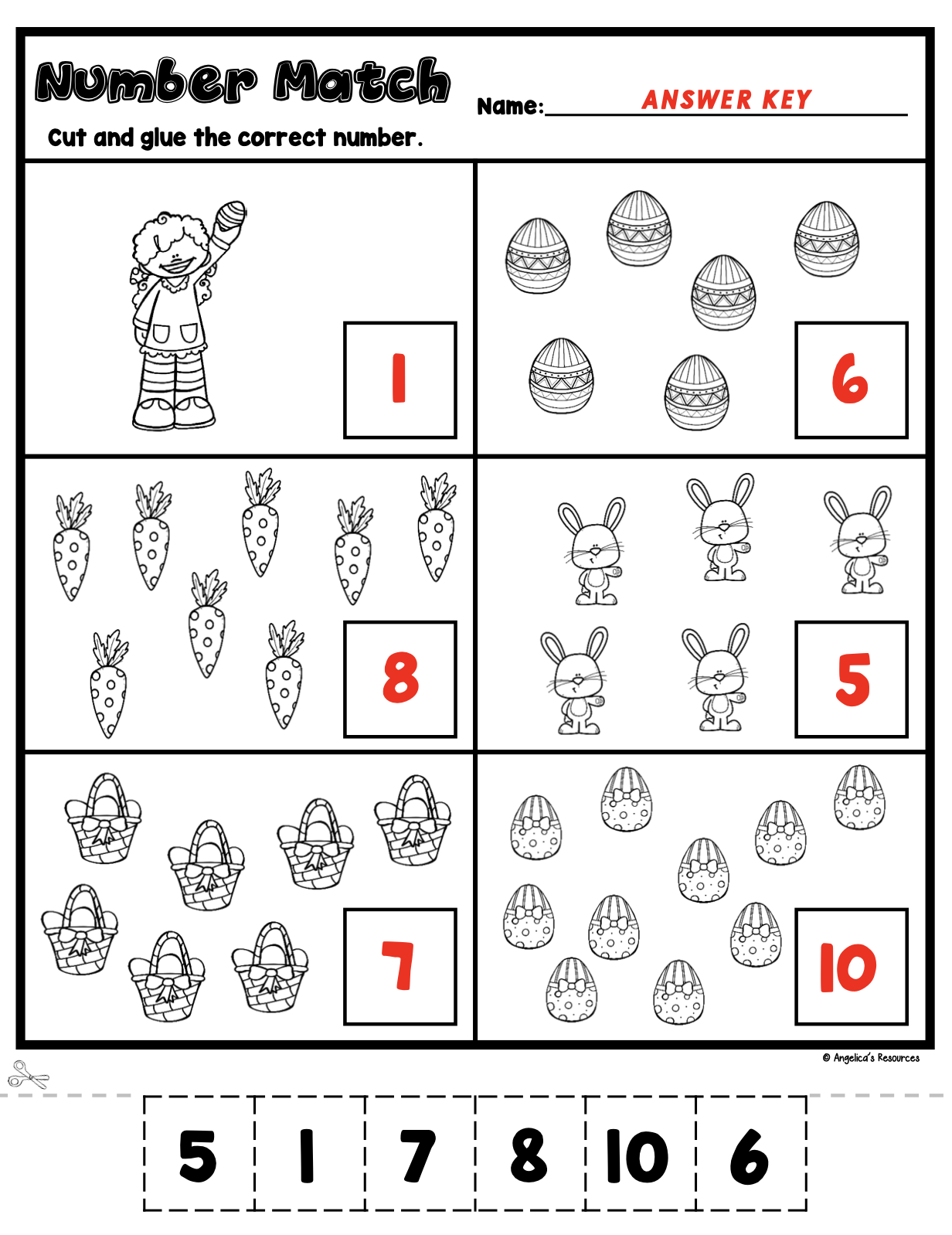
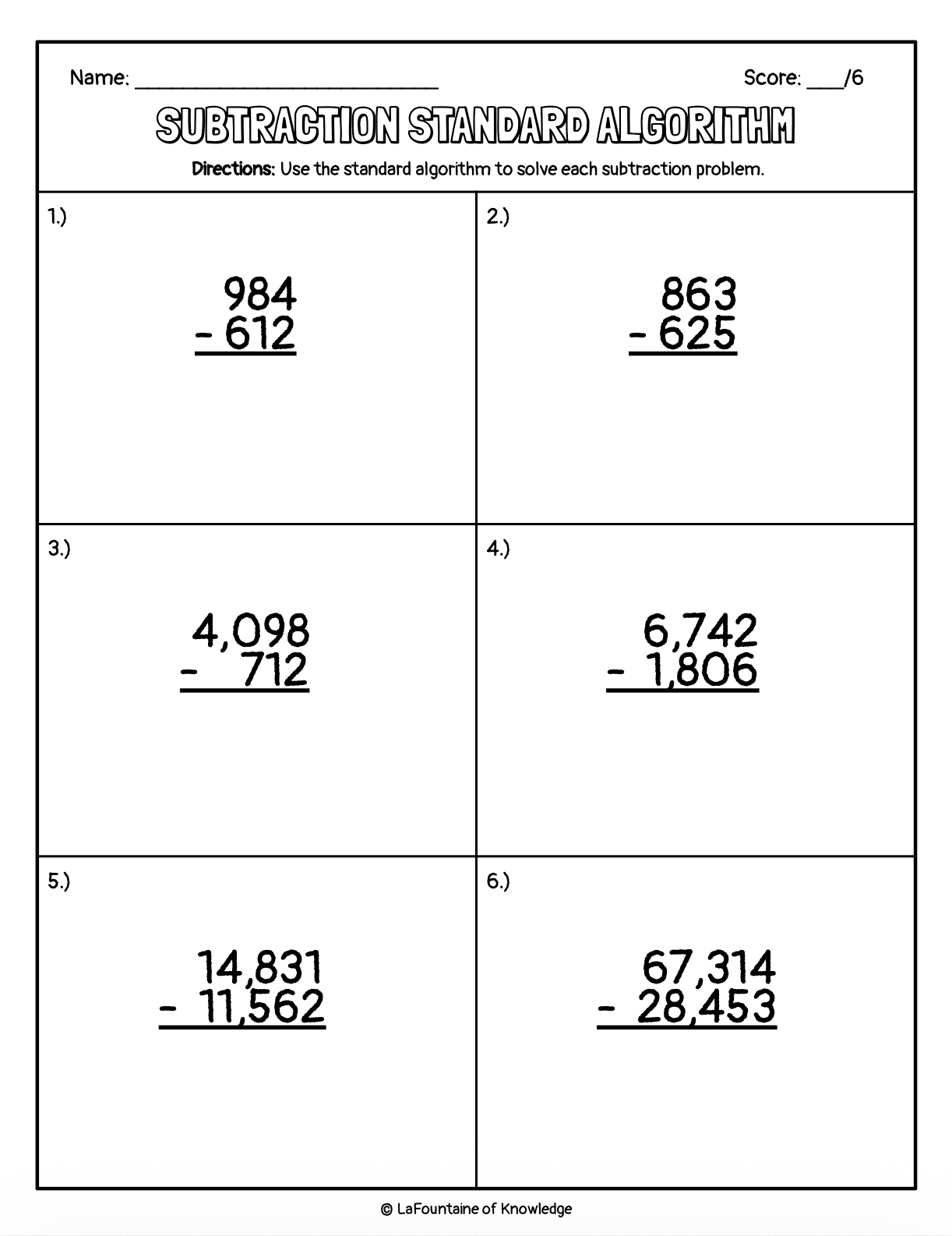
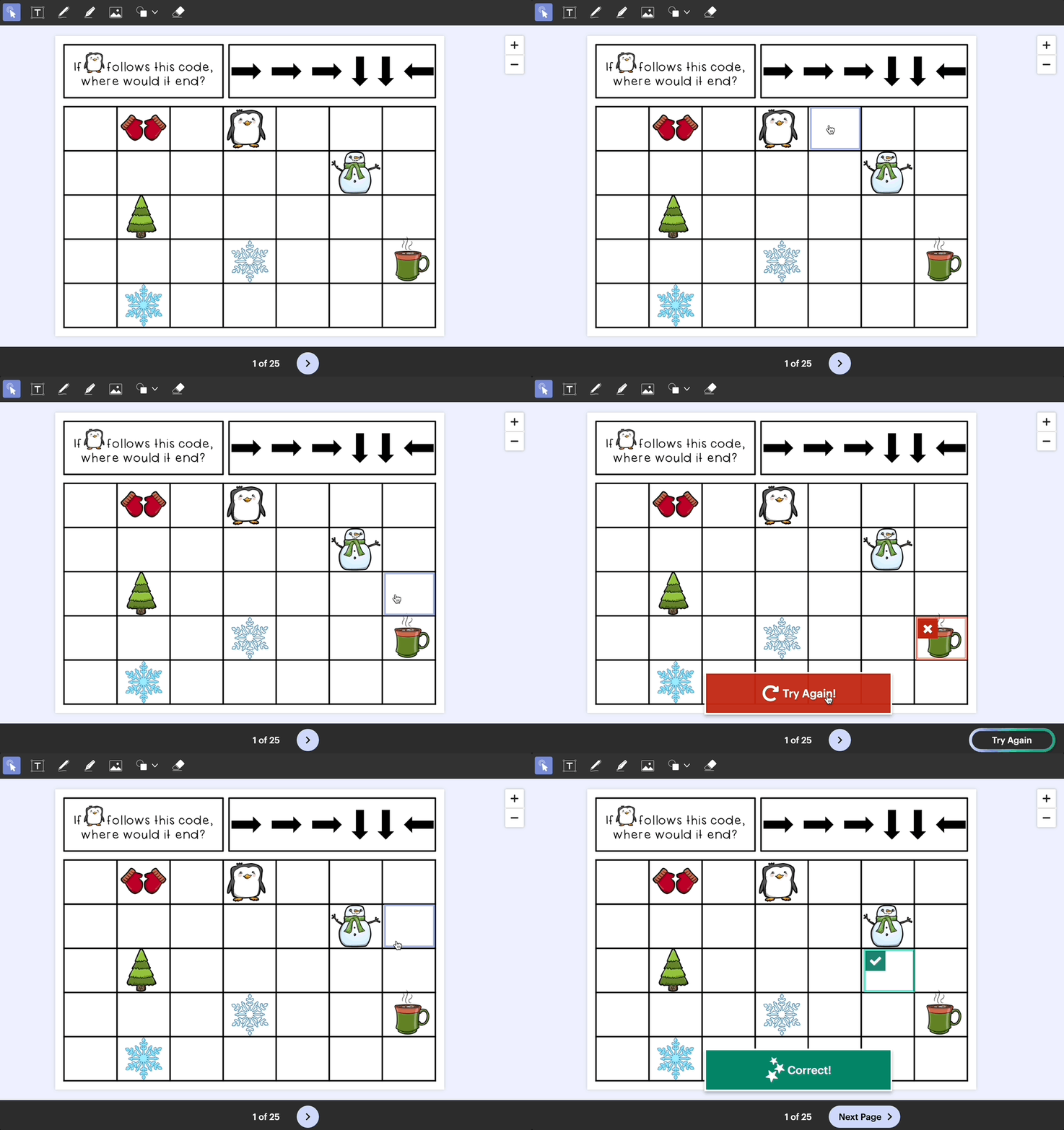
Assignments ranged from multiple choice worksheets to open-ended responses and visual activities. It became clear that grading couldn’t be one-size-fits-all — the system needed to support a variety of activity types while still being fast for teachers to set up.
But the most important thing for teachers was understanding where students were struggling so they could adjust instruction.
This led to a few guiding principles:
Support multiple question types
Reduce grading time
Surface insights, not just scores
Meet accessibility and district requirements
These principles guided how we expanded Easel’s grading system and introduced reporting.
We continuously connected with teachers and students along the way to make sure we were on the right path and beta-tested new releases to ensure adoption and promotion.
Here are some of the features we launched:
Multiple Choice
Drag & Drop
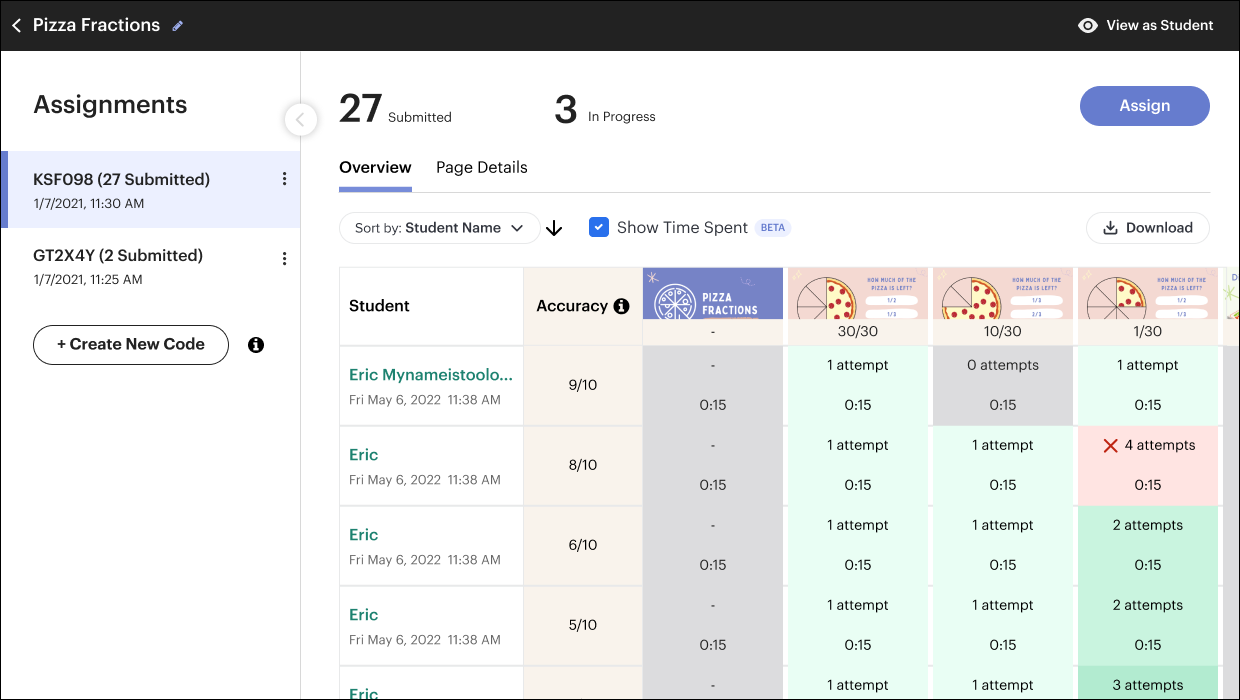
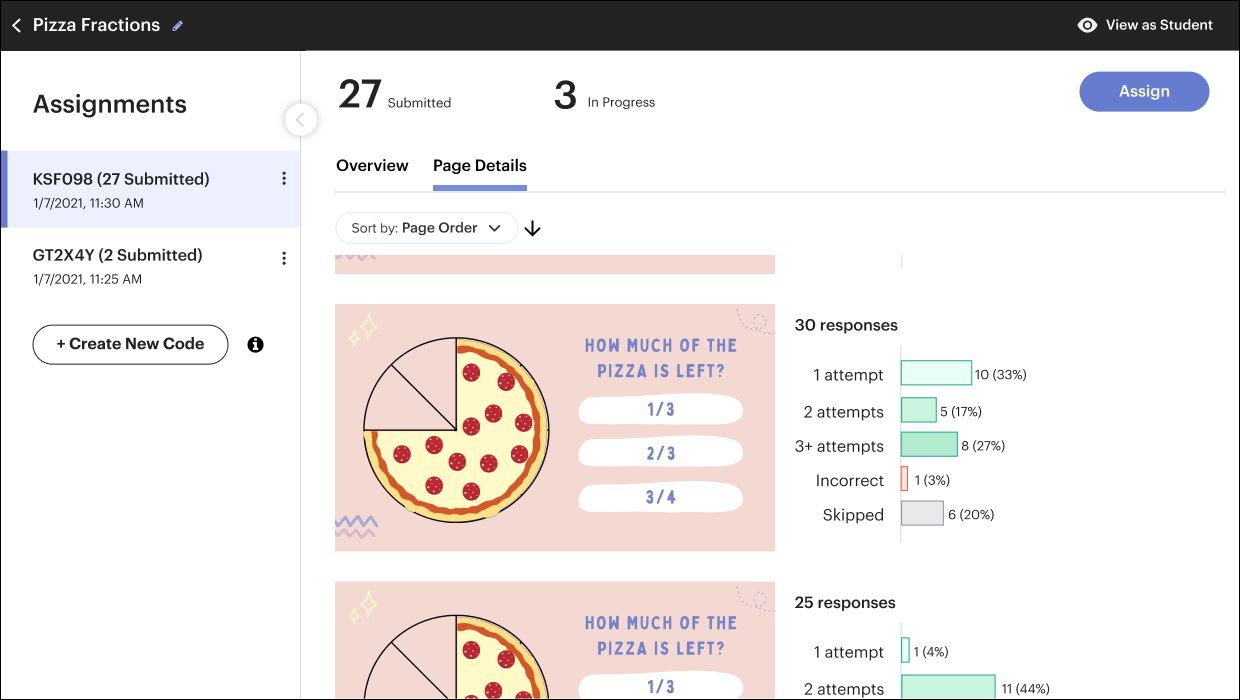
Reporting
CONCLUSION
We soft-launched a limited grading feature (multiple choice only) to beta testers in February 2022, followed by a broader release weeks later, which led to an immediate increase in activity creation.
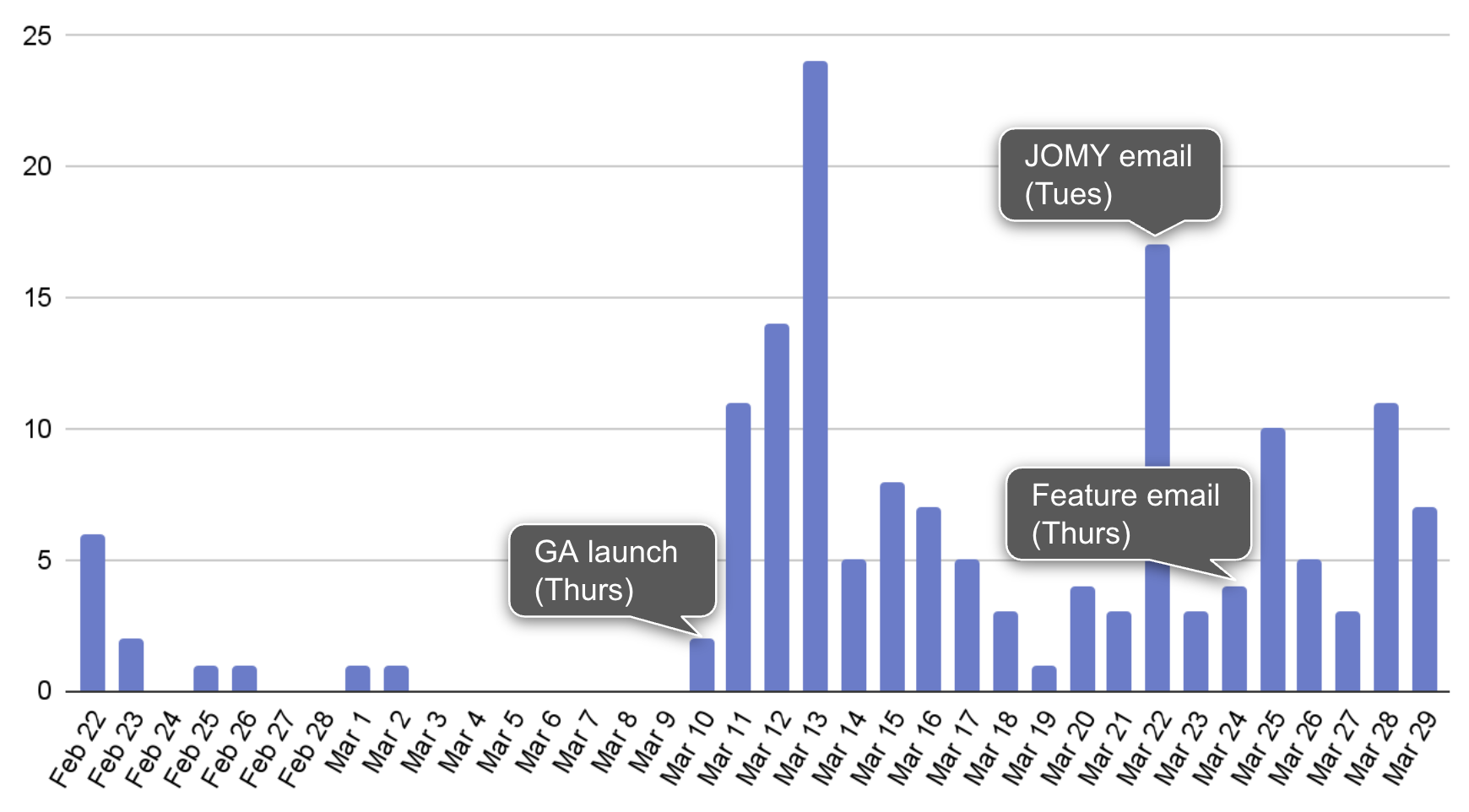
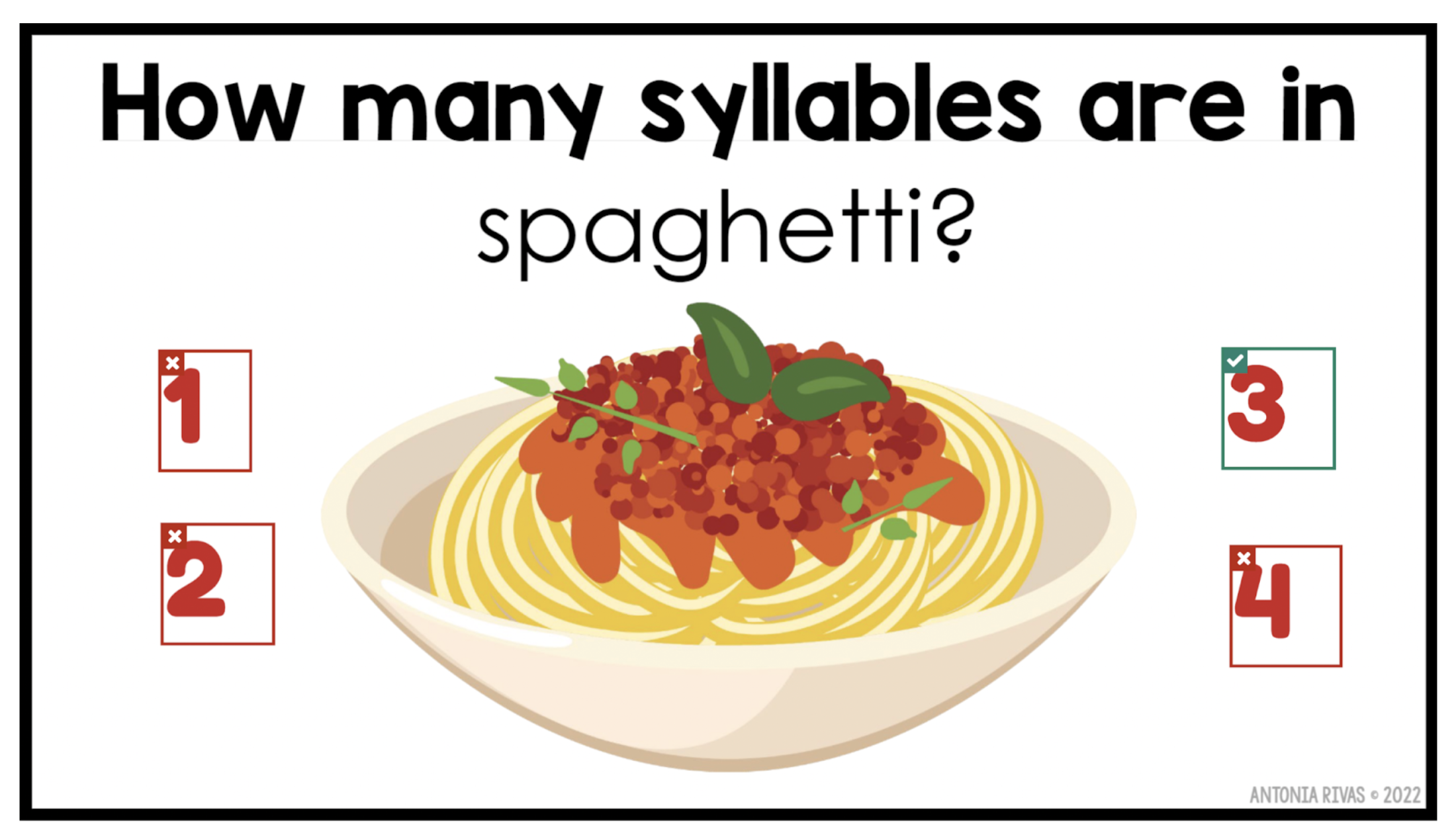
We launched drag and drop in mid-May. Within 5 months of launch, there were over 2,000 listings with Easel gradable activities.
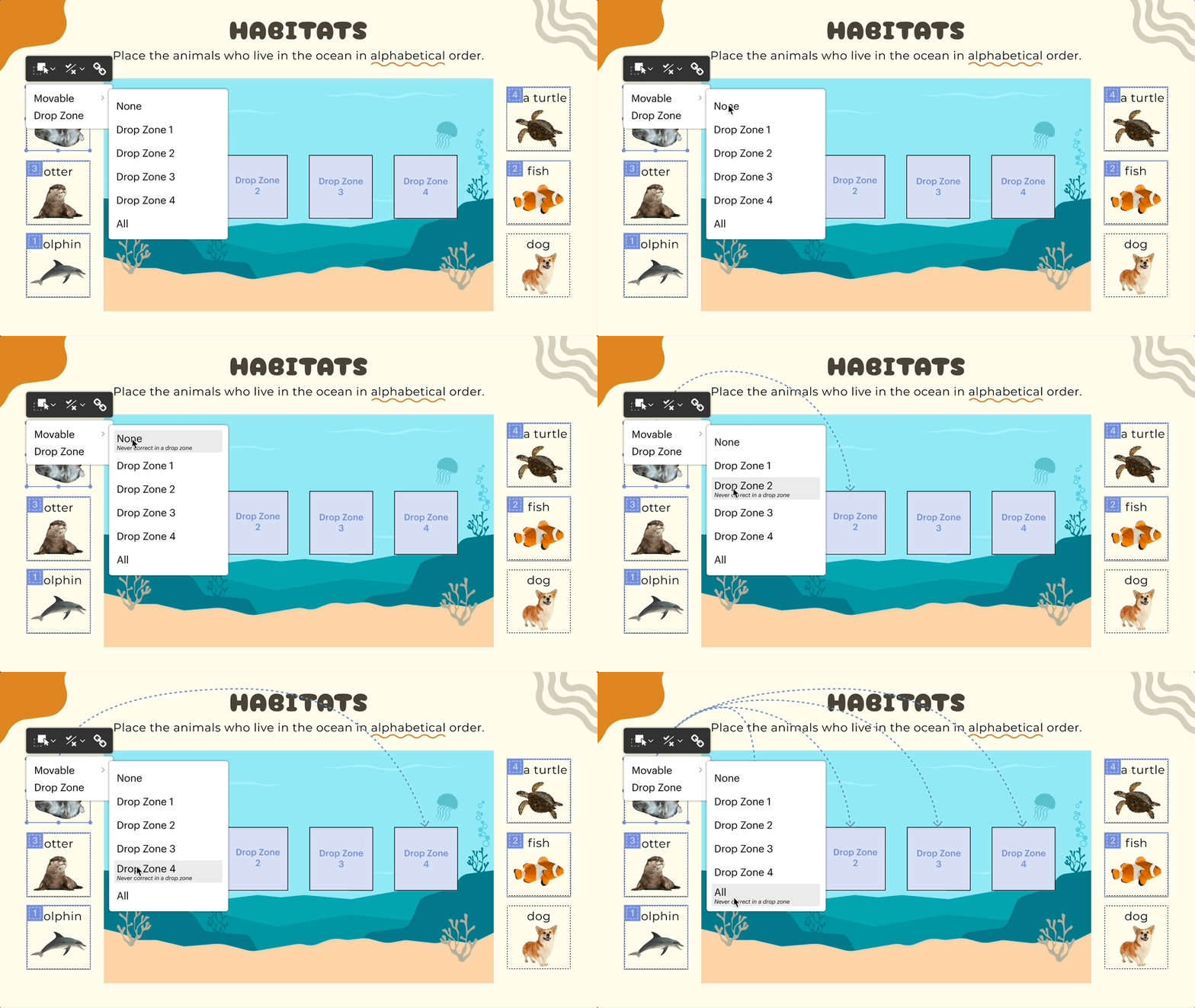
By the end of July, we released a basic version of reporting and began to see daily use of assigned gradable activities.
“My colleagues and I use a variety of digital platforms for different purposes (e.g. Google Slides , Boom Cards, Kami, Jamboard). With all the new features that continue to be added to Easel, we no longer need to use and learn so many different platforms. Easel can meet all of our digital needs!”
We continued to make various improvements within Easel and on TPT to help aid discovery of gradable activities until early 2023 when IXL bought TPT.
Though IXL stopped improving and promoting Easel, you can still find gradable Easel resources here.